Design Communication Pitfalls from Low-Res Bliss to Large-Format Stress
As a designer, you wear many hats: artist, problem-solver, therapist, and sometimes even miracle worker. But if there’s one situation that could make even the most seasoned designer break out in a cold sweat, it’s the dreaded large-format printing challenges. You know the one. It always starts innocently enough but spirals into frustration, regret, and the eternal question: Why didn’t we address this sooner?
In this post, we’ll unpack these design communication pitfalls and explore how to sidestep disasters, preserve your sanity, and educate clients about scaling designs for print effectively.
Low-Res Artwork: A True Designer’s Nightmare
Most clients don’t know the difference between raster and vector graphics. Terms like DPI (dots per inch) might as well be jargon. They’ll happily send a 72 DPI image and expect it to work for a massive print.
To illustrate this issue, here’s a side-by-side comparison of low-resolution versus high-resolution artwork. The high-resolution version showcases the clarity and detail that can be achieved with proper file formats, while the low-resolution version demonstrates the pixelation and distortion that occur when scaling unsuitable files for large-format printing.
For those working directly with print operators, this challenge might sound familiar. I’ve discussed how to bridge communication gaps in my post Graphic Designers vs Print Operators: Essential Tips to Successfully Bridge the Gap, which provides practical tips for smoother collaboration.
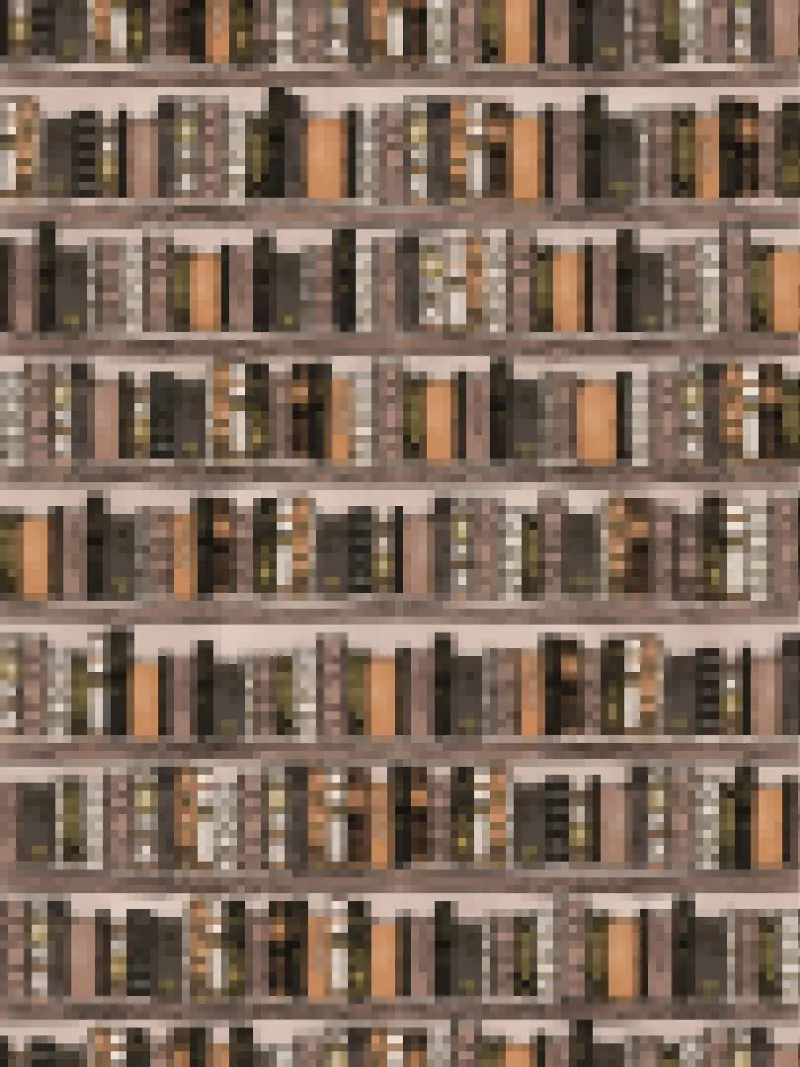
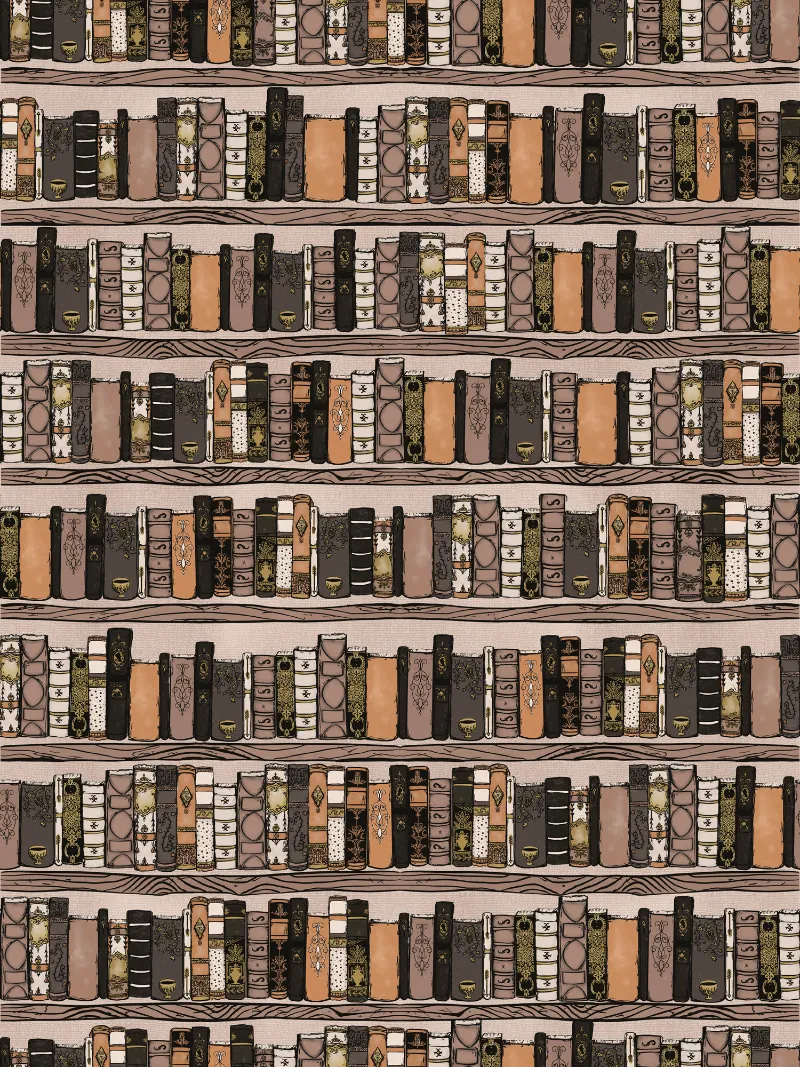
Clients often fail to mention the future uses of a design, which can lead to unexpected challenges. A simple Instagram post may suddenly need to become a large-format print, leaving designers scrambling to adapt.
This image comparison highlights one of the biggest issues: low-resolution assets. Without high-resolution files, designers face redesign stress, awkward conversations, and disappointing results. The high-resolution version shows the clarity that proper assets provide, while the low-resolution version demonstrates the pixelation and distortion that can ruin a large-scale design.
Every design has the potential to shine, but only when the right tools, assets, and communication come together. As designers, it's our job to bridge the gap and bring clarity to the process.
Timothy Vortsman Tweet
Special thanks to Grethe-Mari Stark from Paintbrush Design Studio, for providing this beautiful artwork. Her design is a perfect example of why high-resolution assets are crucial for design projects. You can explore more of her amazing work on Facebook.
Best Practices to Avoid Design Communication Pitfalls
Avoiding these challenges requires a proactive approach. Here’s how you can ensure smooth sailing from the start:
Start the Vector Conversation Early
During your first meeting, ask about potential design uses: print, digital, or large-format? Check if the client has scalable vector files (e.g., SVG, EPS). If not, educate them about the importance of vector assets. Use analogies to explain the difference: “A vector is like a blueprint; it scales perfectly. A raster image is like a photograph—it pixelates when enlarged.”
Be Clear in the Brief
Specify the deliverables and their intended use in your project agreement. Include a clause stating that scaling designs for print or creating additional formats will require a separate quote.
Educate Your Clients
Show examples of low-res vs high-res artwork to illustrate the importance of scalable assets. Provide a checklist of acceptable file types (e.g., "For large-format printing, supply vector logos or images at 300 DPI or higher.").
Upsell Scalable Designs
Offer clients an optional package for scalable artwork. Position it as an investment in future-proofing their designs, ensuring flexibility for print, web, and large-format use.
Build an Asset Library
For repeat clients, keep a library of their high-quality assets. This saves time and ensures consistency across projects.
Turning Challenges Into Opportunities
Designing for large-format printing doesn’t have to be a stressful experience. By addressing potential pitfalls and communicating effectively with clients, you can turn challenges into opportunities to showcase your professionalism and expertise. Clear communication is the foundation of every successful project.
If you’re curious about improving client communication or working closely with print operators, you might also enjoy my post on bridging the gap the gap between graphic designers and print operators, which offers additional insights
What did we learn?
Effective design is about more than just creativity; it’s about preparation, communication, and collaboration. To avoid pitfalls like pixelated artwork or redesign stress, designers must clarify how their work will be used right from the start. This means setting clear expectations with clients, educating them about the importance of high-resolution and vector assets, and creating a workflow that anticipates future needs. By offering scalable designs and maintaining a library of high-quality resources, designers can future-proof their work and strengthen client relationships. Ultimately, great design is built on a foundation of clear communication and thoughtful planning, turning even the most challenging projects into opportunities for success.